Innovation in sulphur for agricultural use as an example of circular economy
Since its foundation, AFEPASA has been a benchmark in the circular economy, taking advantage of sulphur from other sectors for the development of ecological and sustainable agricultural solutions.
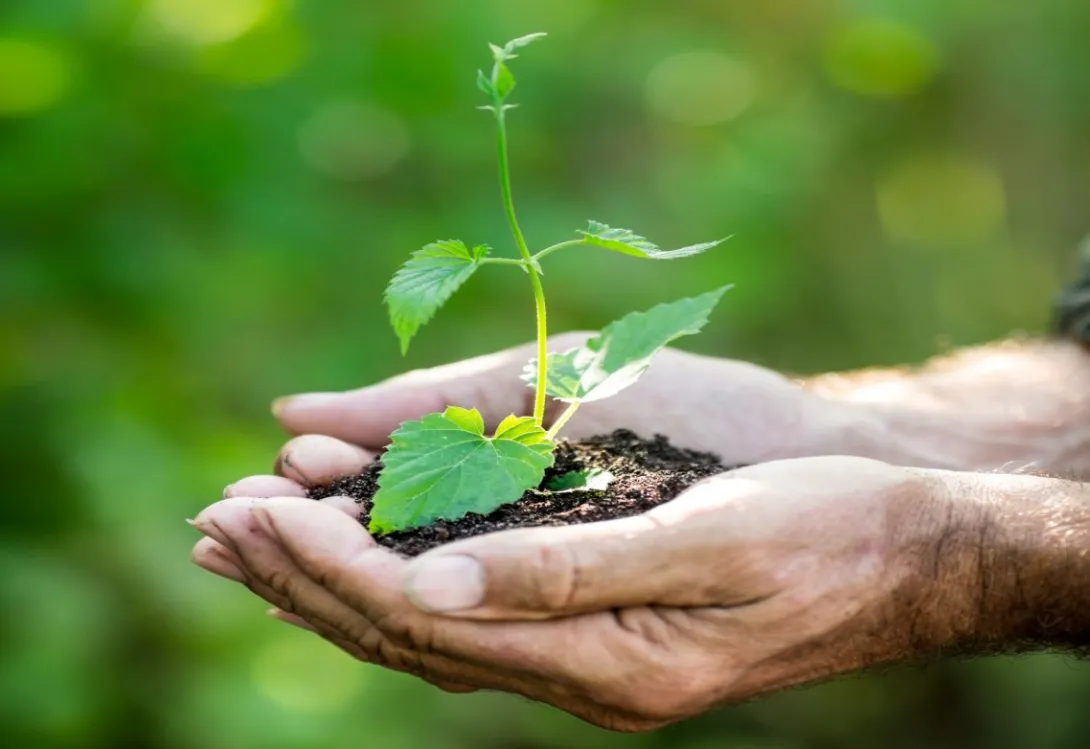
- Since its foundation, AFEPASA has been a benchmark in the circular economy, taking advantage of sulphur from other sectors for the development of ecological and sustainable agricultural solutions.
- The priority of the R + D + i area of AFEPASA resides in offering the agricultural sector effective, ecological and environmentally friendly phytosanitary alternatives, fertilizers and biostimulants.
In recent years there is no doubt that one of the aspects that is most influencing the culture of companies and their strategic positioning approaches is based on the growing awareness of society with the need to make a more efficient and sustainable use of the resources we have at our disposal.
For this reason, nowadays concepts are becoming more and more common that until recently were practically unknown to the population as a whole, but which are essential to think about greater sustainability and respect for our environment, as is the case of the economy. circular.
When we speak of circular economy, we are referring to those practices that are carried out within a company, or in the proper operation of a sector of activity, aimed at developing a more responsible behaviour both from a more efficient raw materials in its production process as in relation to the reduction of waste, reusing its own materials (through recycling) or those that are considered as by-products or waste by other sectors.
Although the concept of circular economy may seem somewhat innovative, at AFEPASA it has been carried out since the very moment of its foundation, 128 years ago.
Daniel García, Doctor in Agricultural Engineering and Director of the R&D Department of AFEPASA, openly confirms this aspect, to the point of considering the circular economy as a basic element in the entity's reason for being, “99% of our production it is carried out from a circular economy, mainly because sulphur is obtained, for the most part, as a waste or by-product derived from the extractions carried out by the petrochemical industry ”.
AFEPASA's challenge lies in offering the best ‘new use’ so that this element becomes a raw material with enormous potential. "We acquire something that this industry does not use and that is an environmental problem, we value it and transform it into an ecological product with a high added value and with the highest standards of sustainability and respect for the environment."
This close relationship between the entity's DNA and the circular economy is not only evident in the obtaining of its main raw material, but also in the fact that its more than remarkable effort in R & D & i is based exclusively on the design and development of projects based on the circular economy and ecological and sustainable agriculture.
A clear example of AFEPASA's commitment to connect R + D + i with the circular economy is the new range of SULTECH ™ products, based on sulphur from a source completely different from the traditional one, and therefore with very different properties. In this range of biostimulants, a microbiological sulphur is used from sewage treatment waste, which until this use was of no use, nothing more than its discharge into the environment.
In this way, AFEPASA contributes to transforming into a product of high value for the development of agriculture an element that, paradoxically, is considered by other sectors of activity as a problem of waste management, also developing sustainable and ecological solutions whose results are perfectly comparable to those offered by traditional chemical products.
Related products
Biostimulants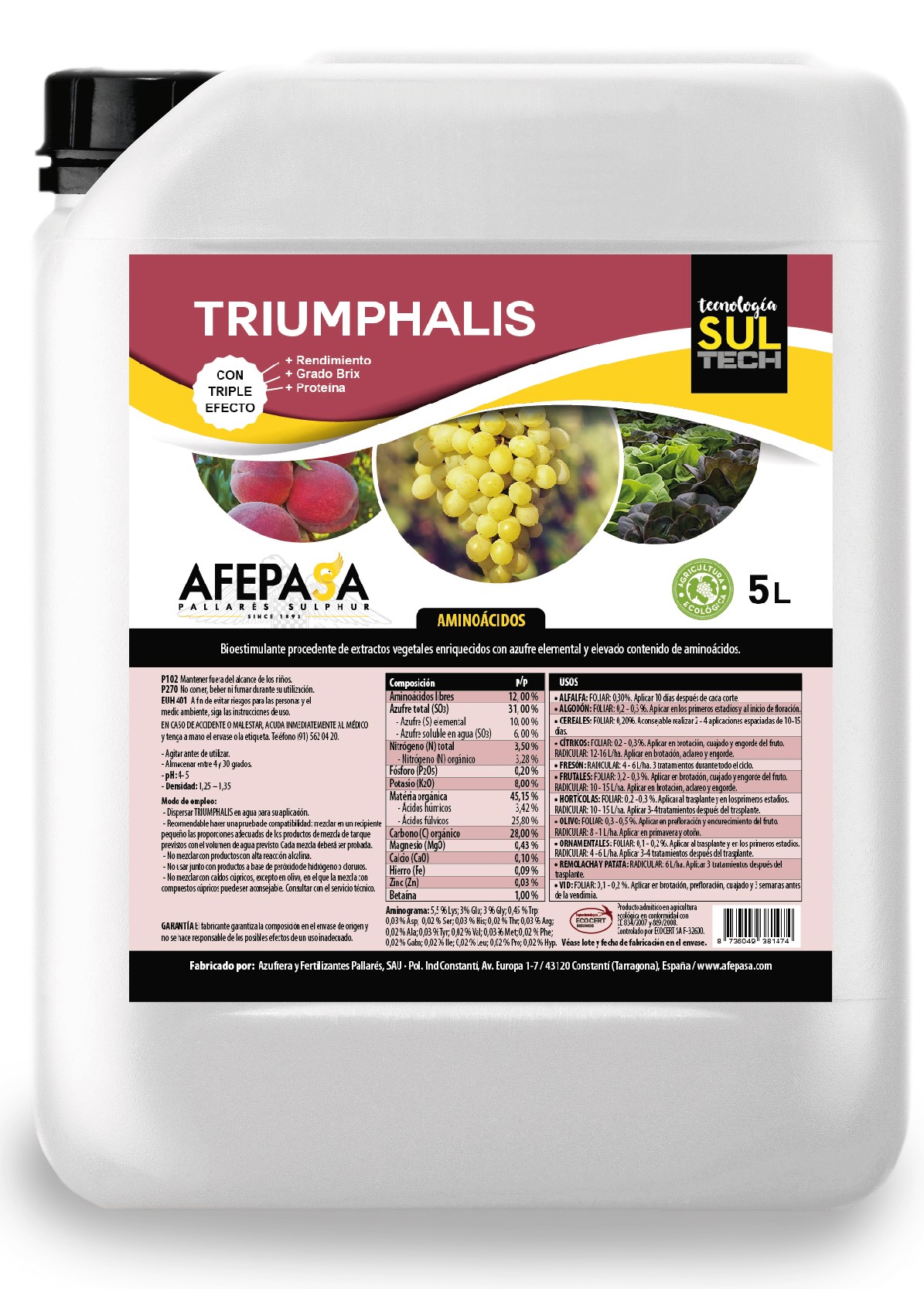 BIOSTIMULANTS
TRIUMPHALIS
A product from vegetal extracts enriched with elemental sulfur. It improves the soil…
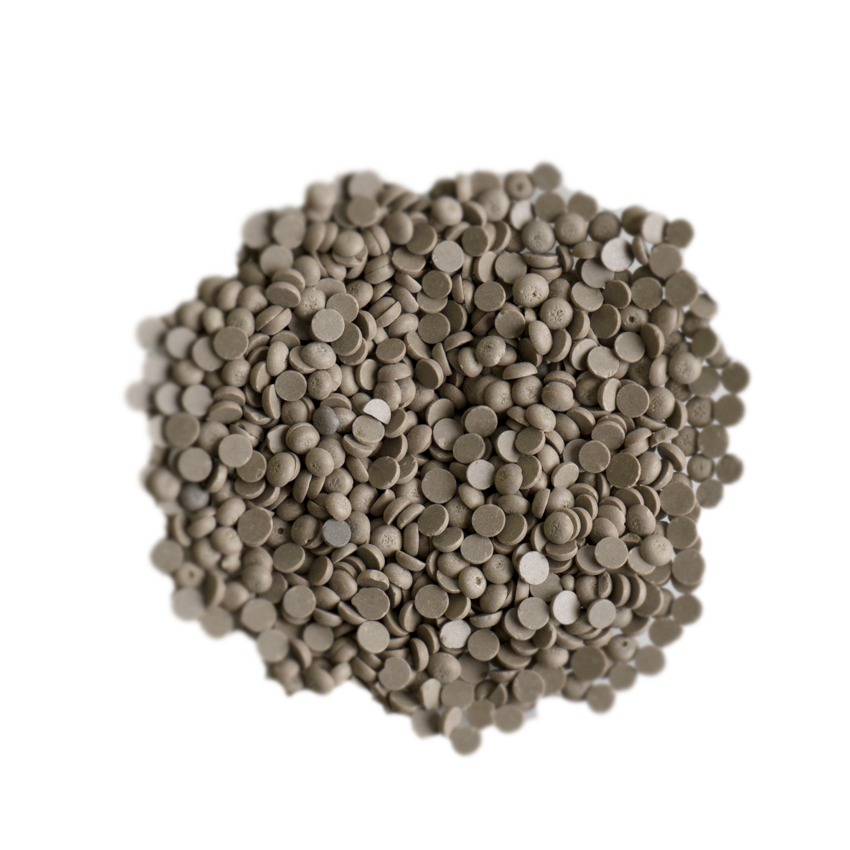 FERTILIZERS
AFESOL
Sulphur amendment with fast-acting hemispherical shape. The sulphur is mixed with clay…
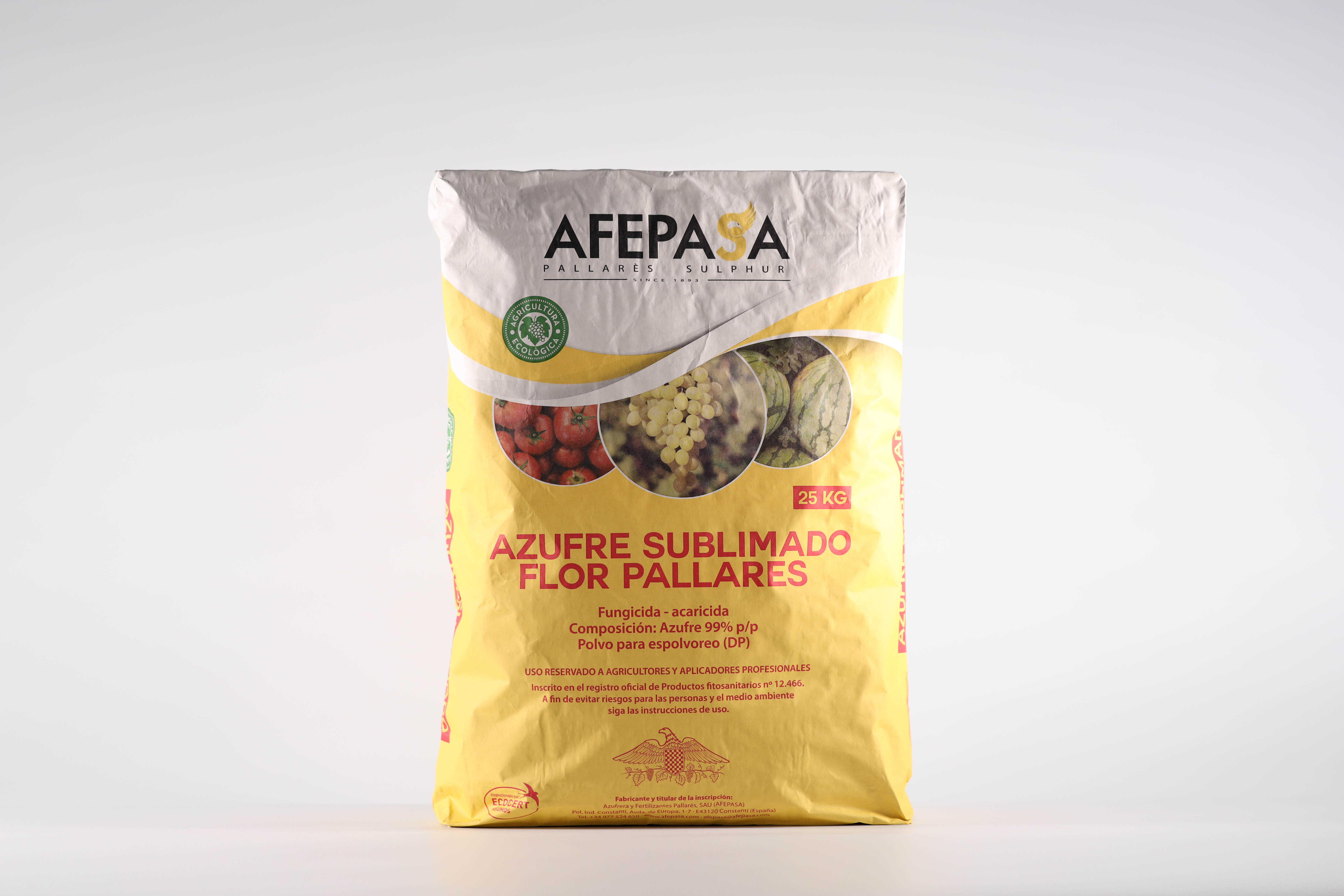 PHYTOSANITARY PRODUCTS
SUBLIMATED SULPHUR
It is the purest form of sulphur obtained by reverse sublimation, in this way it has…