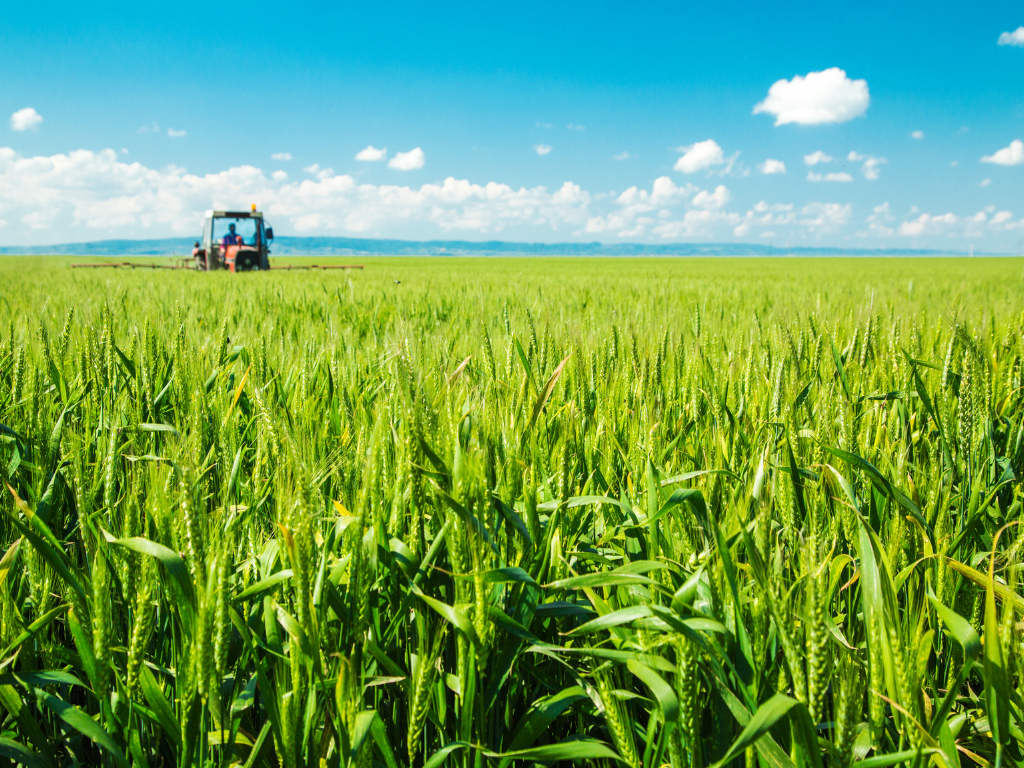
Sulphur deficiency in soft wheat: an invisible but costly issue
Sulphur deficiency in cereals often goes unnoticed but can lead to significant yield losses.
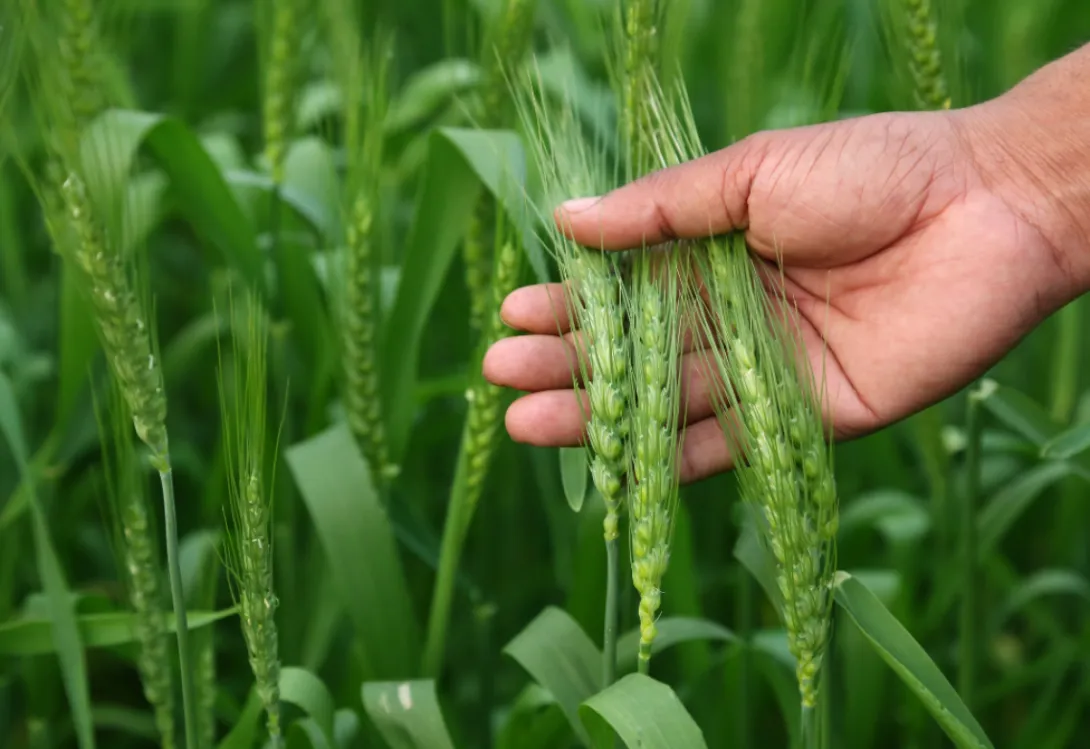
Sulphur deficiency in cereals often goes unnoticed but can lead to significant yield losses. Understanding its causes and how to prevent it is key to maintaining profitability.
The vital role of sulphur
Sulphur (S) is a key nutrient for soft wheat. It contributes to protein synthesis, chlorophyll formation, and nitrogen efficiency. Uptake is strongest between tillering and early stem elongation, when crop demand peaks.
Due to the decline in atmospheric sulphur deposition and lower organic matter levels, many soils are now unable to meet crop needs naturally.
Symptoms and yield impact
Symptoms generally appear from stem elongation: pale green patches, yellowing leaves, and uneven growth. Yield losses can range from 0.2 to 1 t/ha in moderate deficiency and up to 3 t/ha in severe cases.
The risk increases in acidic, sandy, low-organic or poorly aerated soils.
Prevention and management
Because sulphur is a mobile element, applications should be timed to coincide with crop demand—ideally using readily available sulphate forms between tillering and stem elongation.
AFEPASA, as part of its commitment to sustainable agriculture, offers a comprehensive range of sulphur-based solutions designed to prevent nutrient deficiencies, enhance wheat nutrition, and promote stronger, higher-quality crops.