Tensions in the Strait of Hormuz impact the sulfur market and challenge the agricultural industry
The increase in sulfur prices and energy costs is forcing the agricultural sector to adapt to a more uncertain environment.
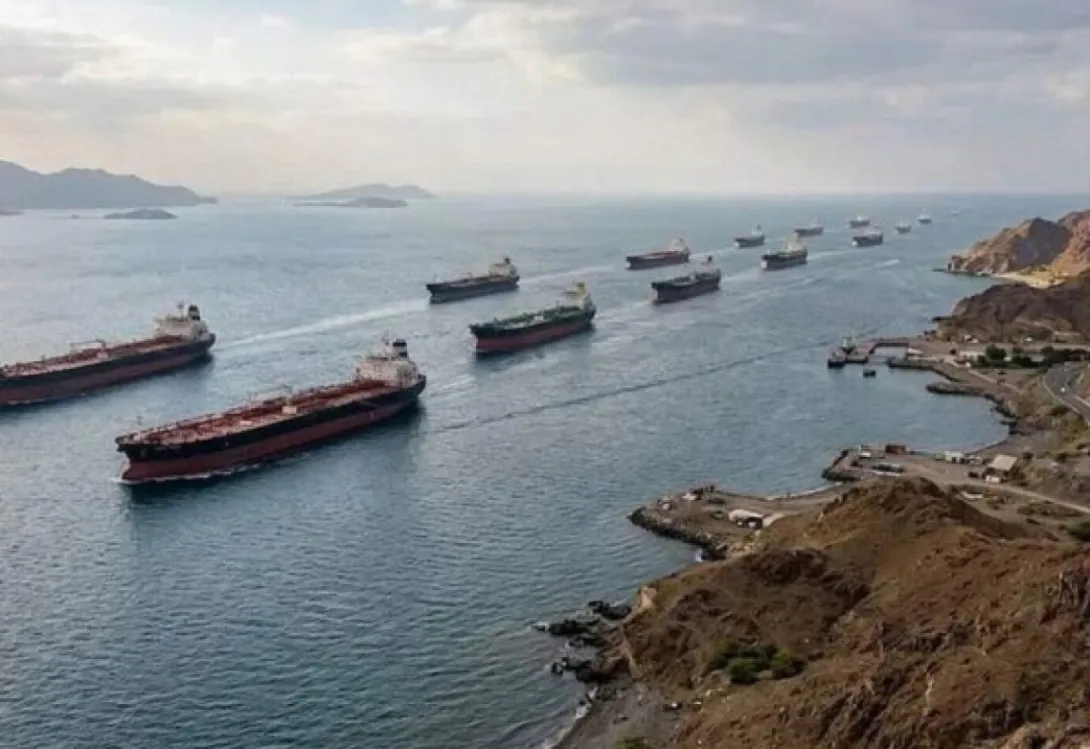
In recent months, global markets have been experiencing a context of increased uncertainty, driven by geopolitical tensions in the Middle East, particularly in the Strait of Hormuz, one of the world’s key trade corridors.
This situation not only affects the energy sector but also has direct implications for the supply chains of raw materials, including sulfur, an essential component in various agricultural applications.
Raw material price developments
Transport disruptions and rising risk perceptions in the region have contributed to an increase in sulfur prices. Since a significant share of global sulfur production is linked to oil and gas refining in the Gulf, any disruption in this area directly impacts its availability.
These cost increases tend to gradually move along the value chain, affecting producers, distributors, and end customers alike.
Pressure from energy and logistics costs
This trend is compounded by rising energy and logistics costs. Higher prices for electricity, fuels, and maritime freight are creating a more demanding environment, particularly in Europe, where production costs have increased significantly.
Sector adaptation and business response
In this context, companies such as AFEPASA continue to operate with a strong focus on efficiency and resource optimization. While rising costs present challenges, they also encourage the development of solutions aimed at maintaining competitiveness and ensuring supply continuity.
A key factor will be the market’s ability to adapt to this new environment. In some cases, a more cautious approach from customers can be observed, with purchasing decisions being adjusted in response to price developments.
Monitoring and outlook
The market is currently in a transitional phase that requires close monitoring of key factors such as raw material supply, operational costs, and demand trends.
The coming months will be important in determining whether the situation stabilizes or if current dynamics persist.
Conclusion
Tensions in the Strait of Hormuz are influencing the global sulfur market, creating a more complex environment for the agricultural industry. Nevertheless, the sector has experience in managing changing conditions.
For AFEPASA, this context represents an opportunity to reinforce its adaptability and continue delivering reliable solutions in a dynamic environment.