Microsul 40S: A Key Tool Against Salinity in Hazelnut Cultivation
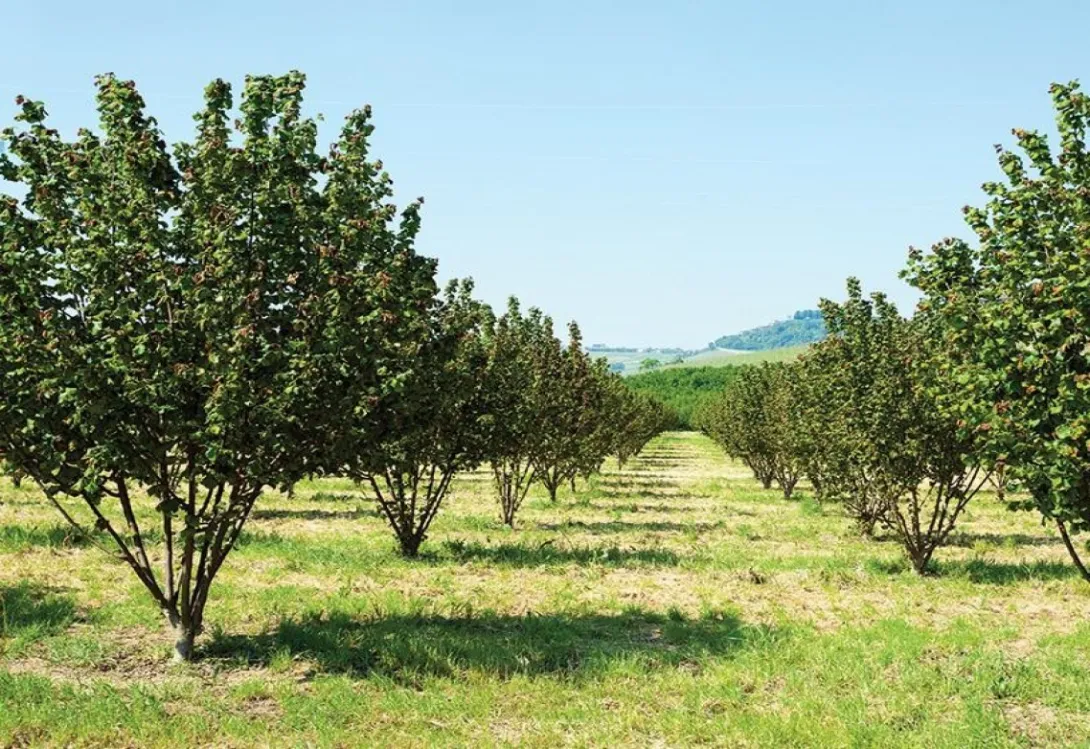
Microsul 40S: A Key Tool Against Salinity in Hazelnut Cultivation In recent years, farmers in southern Catalonia, particularly in the Camp de Tarragona region, have been facing a growing problem: increasing salinity in irrigation wells.
Microsul 40S: A Key Tool Against Salinity in Hazelnut Cultivation
In recent years, farmers in southern Catalonia, particularly in the Camp de Tarragona region, have been facing a growing problem: increasing salinity in irrigation wells. The drop in groundwater levels and the intrusion of saline water into aquifers have caused an alarming deterioration in the quality of water available for irrigation, directly affecting sensitive crops such as hazelnuts.
This phenomenon has been reported by local media, with farmers themselves raising the alarm. In the words of one grower: “I used to have twice as many hazelnut trees here,” referring to losses caused by rising soil salinity. (See article)
Hazelnuts' Sensitivity to Salinity
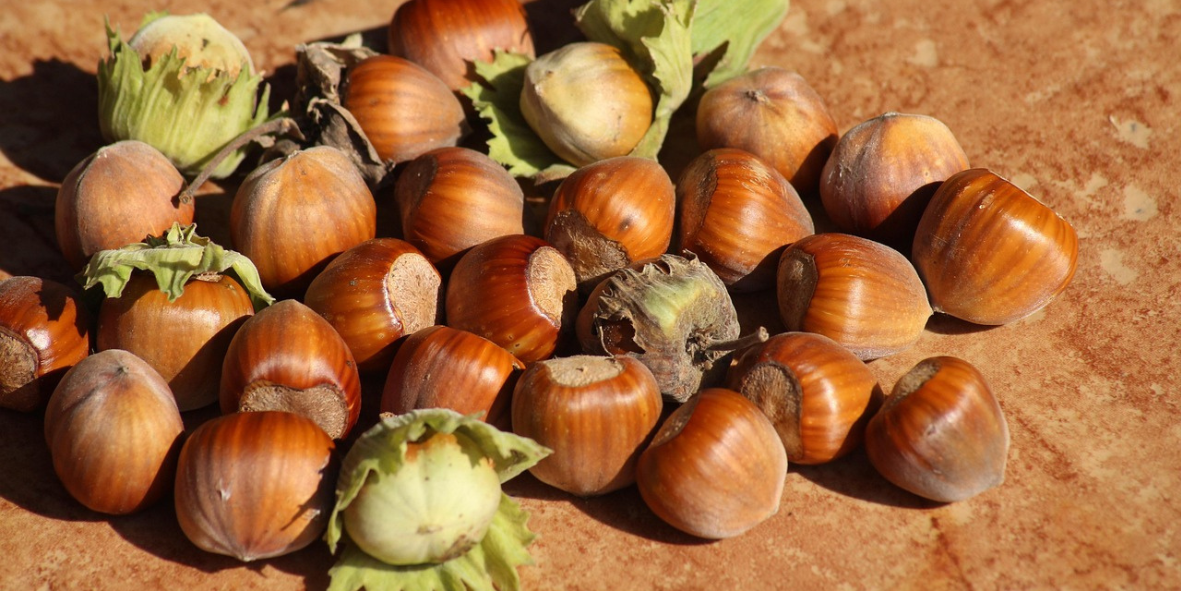
Hazelnuts can adapt to different types of soil, but they prefer loamy, deep soils with a pH between 5.5 and 7.8. They are not tolerant to salinity, and in clay soils they can suffer from root asphyxia and chlorosis. Therefore, good drainage is always recommended to avoid complications.
Moreover, certain varieties are particularly sensitive to salinity, such as Negreta, Pauetet, and the Italian Tonda di Giffoni. These varieties quickly show signs of salt stress such as leaf yellowing, reduced root development, and premature fruit drop.
Microsul 40S: Effective and Natural Solution
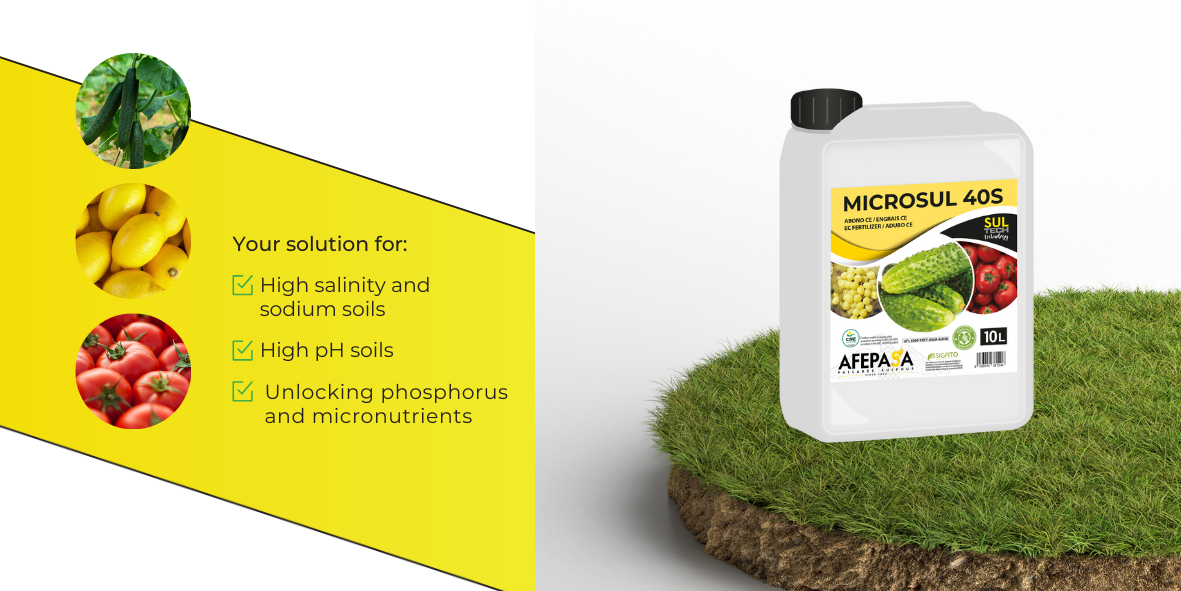
In this scenario, Microsul 40S stands out as an effective solution to mitigate the effects of soil salinity. Developed by AFEPASA with Sultech technology, it delivers high-performance sulfur capable of being transformed by soil microorganisms into plant-available forms.
What are the benefits?
- Reduces soil electrical conductivity (EC), one of the main indicators of salinity.
- Leaches out accumulated salts, turning them into soluble forms that can be washed away by rain or irrigation.
- Lowers pH in alkaline soils, releasing locked nutrients.
- Improves soil structure by removing sodium from the clay-humic complex.
- Fosters microbiota through the exudates generated during the sulfur transformation process.
Proven Results in the Field
Trials with Microsul 40S on various crops have demonstrated its effectiveness:
- Up to 30% reduction in available sodium
- Up to 26% decrease in assimilable chlorides
- Over 20% reduction in electrical conductivity
In situations where the use of high-conductivity irrigation water is unavoidable, Microsul 40S is not a miracle cure, but it is a key tool to slow soil degradation and buy time while other solutions are implemented.
At AFEPASA, we remain committed to developing environmentally friendly solutions tailored to the real challenges of modern agriculture.
Discover the full potential of Microsul 40S and how it can help protect your crops from salinity!
Visit www.afepasa.com/microsul for more information.
Related products
Biostimulants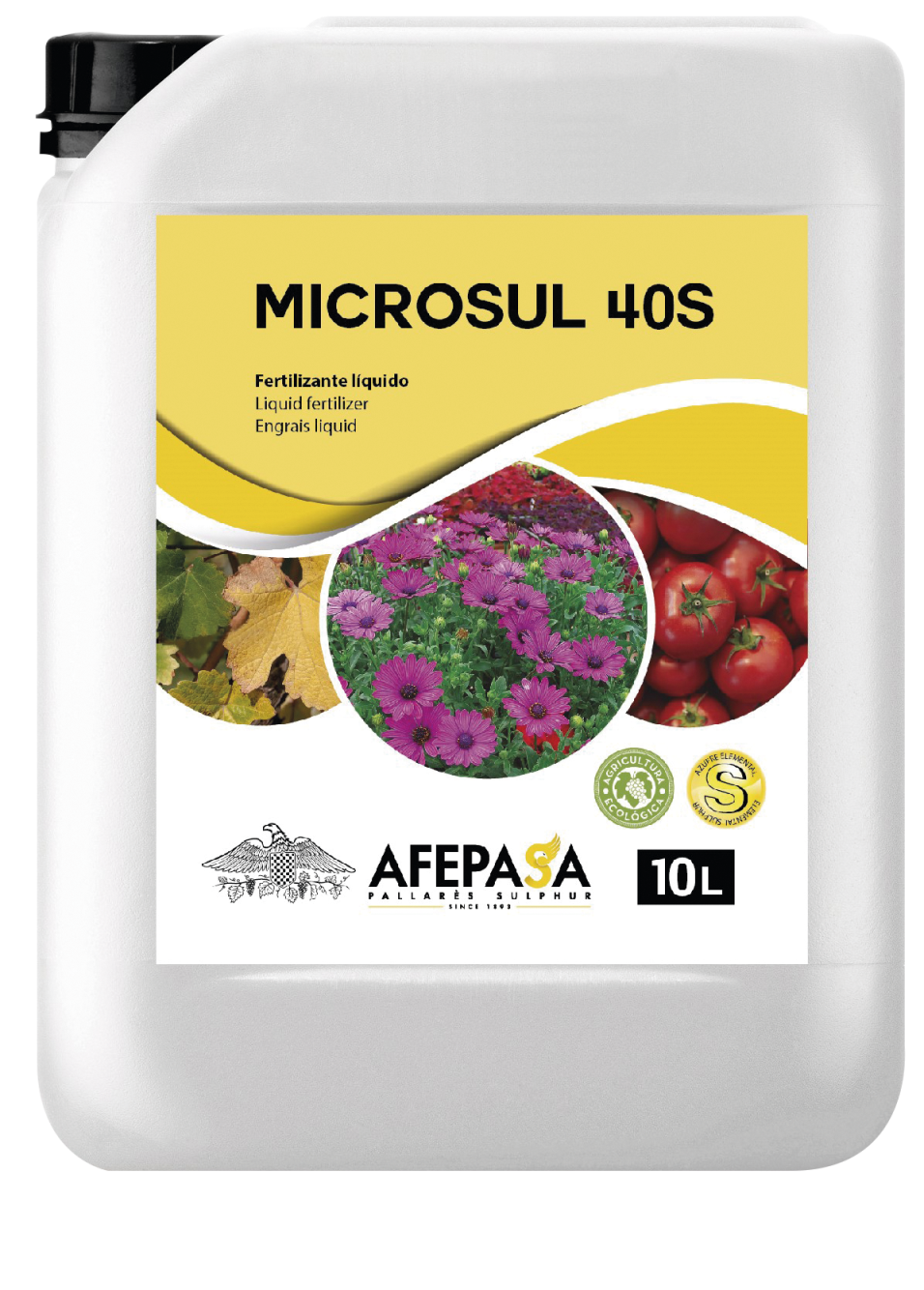 BIOSTIMULANTS
MICROSUL 40S
Concentrated suspension indicated for foliar spraying directly to the soil in both…