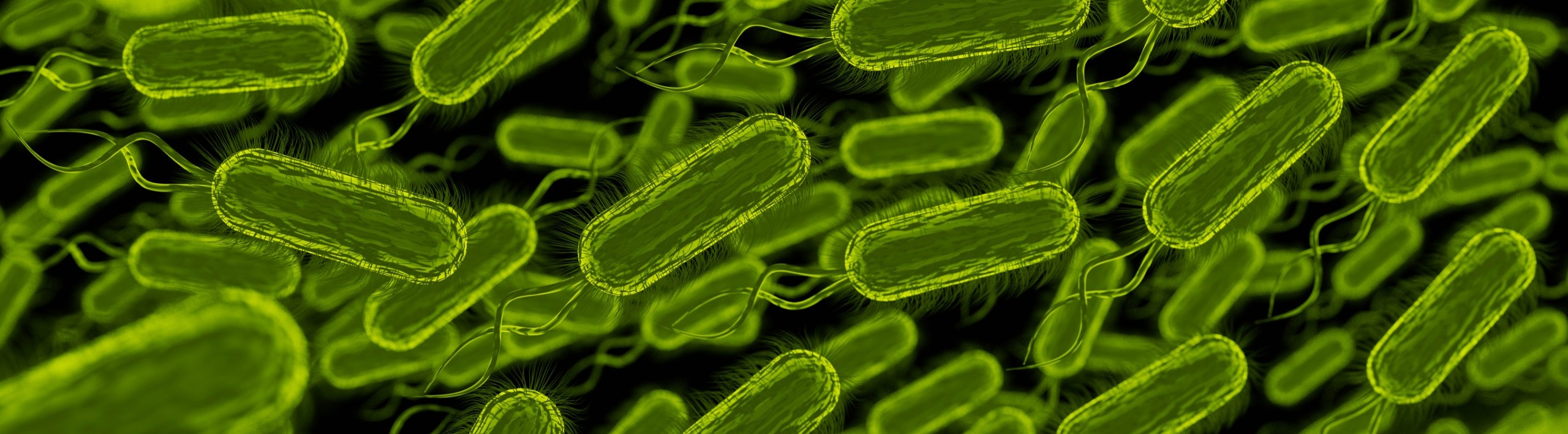
The Importance of Pseudomonas putida in Soil
Soil is a living ecosystem where various microorganisms interact, and among them, Pseudomonas putida plays a crucial role in improving soil health and crop performance.
Soil is a living ecosystem where various microorganisms interact, and among them, Pseudomonas putida plays a crucial role in improving soil health and crop performance. This bacterium, classified as a PGPR (Plant Growth-Promoting Rhizobacteria), acts beneficially in several key aspects of plant growth.
One of the main benefits of Pseudomonas putida is its ability to fix atmospheric nitrogen, a vital process that reduces the need for synthetic nitrogen fertilizers. Additionally, this bacterium can solubilize phosphorus, calcium, and iron, essential elements for plant growth, thereby increasing their bioavailability. These processes help plants access nutrients that would otherwise be locked in the soil, improving both crop quality and yield.
Another important function of Pseudomonas putida is its protection against adverse conditions. This bacterium can form a protective biofilm around the roots, creating a physical barrier that helps plants resist pathogen attacks and tolerate abiotic stresses, such as water and nutrient imbalances. Furthermore, it produces an enzyme called ACC deaminase, which reduces ethylene levels in the soil, promoting stronger root development.
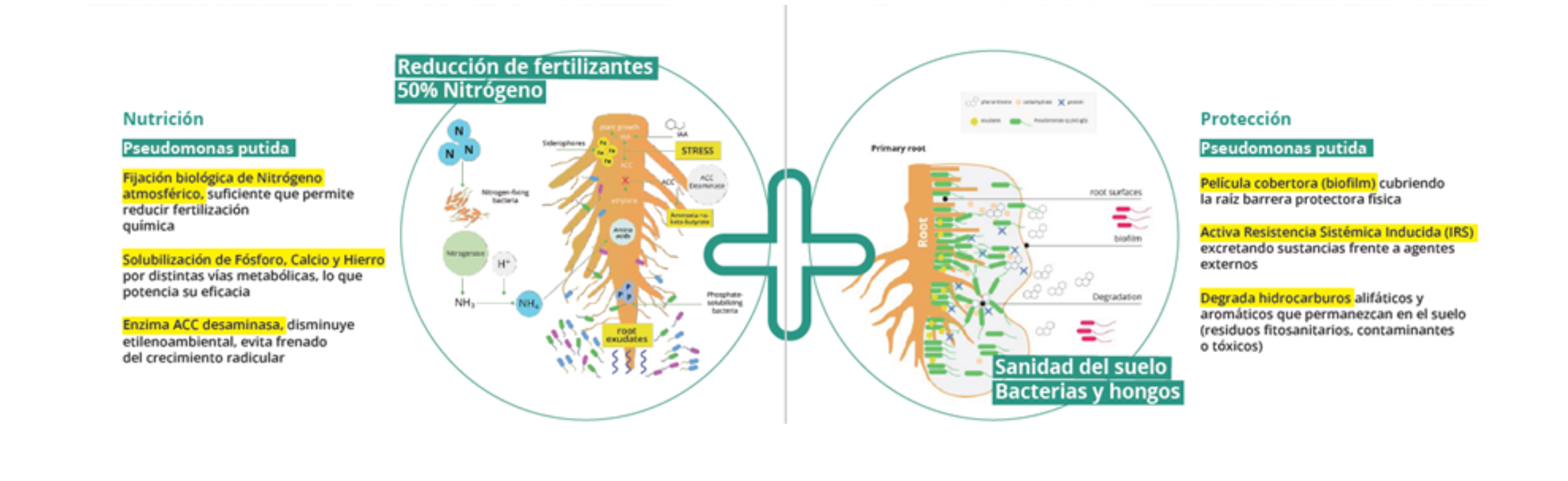
In this context, AFEPASA offers Ferticracin, a solution based on the action of Pseudomonas putida. This product is designed to reduce nitrogen fertilizer requirements by up to 50%, leveraging the natural ability of this bacterium to enhance nutrient assimilation. Additionally, Ferticracin is a certified organic fertilizer that is applied exclusively to the soil via irrigation and is suitable for a wide range of crops, from vegetables to fruit trees.
The inclusion of Pseudomonas putida in agricultural management through products like Ferticracin not only improves soil health but also contributes to more sustainable and efficient farming, reducing reliance on chemical fertilizers and enhancing crop resistance to adverse conditions.