Importance of Integrated Management in Agriculture
Integrated management in agriculture (also known as integrated pest management or crop management) is a key strategy to achieve sustainable, profitable, and environmentally friendly production.
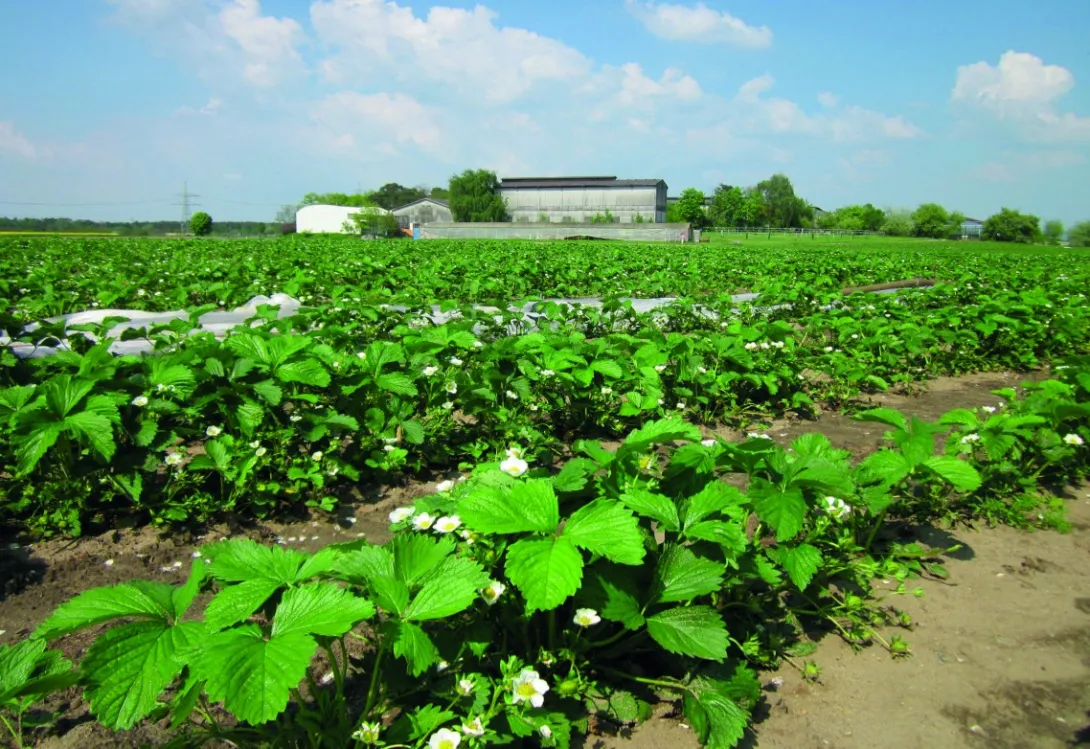
Integrated management in agriculture (also known as integrated pest management or crop management) is a key strategy to achieve sustainable, profitable, and environmentally friendly production. This approach combines different practices that reduce dependence on chemical inputs while promoting the health of the agroecosystem.
Main benefits of integrated management
1. Reduced use of agrochemicals
Phytosanitary products are applied only when strictly necessary. This decreases soil, water, and air pollution, as well as risks to human health and biodiversity.
2. Environmental conservation
Biological, cultural, and mechanical methods help maintain ecological balance, protecting pollinators and natural enemies of pests.
3. Soil and crop health
Practices such as crop rotation, organic fertilizers, and resistant varieties strengthen soil fertility and make crops more resilient.
4. Long-term profitability
Although implementation requires knowledge and planning, it reduces dependence on external inputs and brings greater economic stability.
5. Safer food production
Products obtained under integrated management contain fewer pesticide residues, improving their quality and acceptance in both national and international markets.
6. Climate change adaptation
By promoting diversified and sustainable practices, farmers are better prepared to face changing weather conditions.
The role of conservative biological control
Within integrated management, conservative biological control is particularly effective. Its benefits include:
- Reduced agrochemical use, minimizing pollution and health risks.
- Biodiversity protection, by preserving beneficial fauna such as pollinators and predators.
- Sustainability over time, as natural enemies can establish themselves and provide lasting control.
- Lower resistance risk, since pests develop resistance less frequently to biological agents.
- Greater safety for farmers and consumers, by reducing exposure to toxic substances.
- Compatibility with other practices, facilitating a combined management approach.
- Sustainable economic benefits, through reduced input costs and higher productivity.
AFEPASA and its organic solutions
In line with these principles, AFEPASA offers farmers a portfolio of organic and ecological solutions, designed to naturally integrate into Integrated Pest Management (IPM) strategies. These products respect biodiversity, improve soil health, and contribute to safer, higher-quality food.
AFEPASA’s commitment is clear: to provide effective, sustainable, and certified tools that reduce reliance on conventional chemicals, supporting a more competitive agriculture while protecting the environment. In doing so, the company not only helps farmers meet production challenges but also promotes a responsible model adapted to the demands of the future.