Glutathione: A Crucial Ally in Plant Health
Discover how glutathione acts as one of the main natural antioxidants in plants, helping to combat oxidative stress, improve tolerance to adverse conditions, and promote a more efficient and balanced plant metabolism.
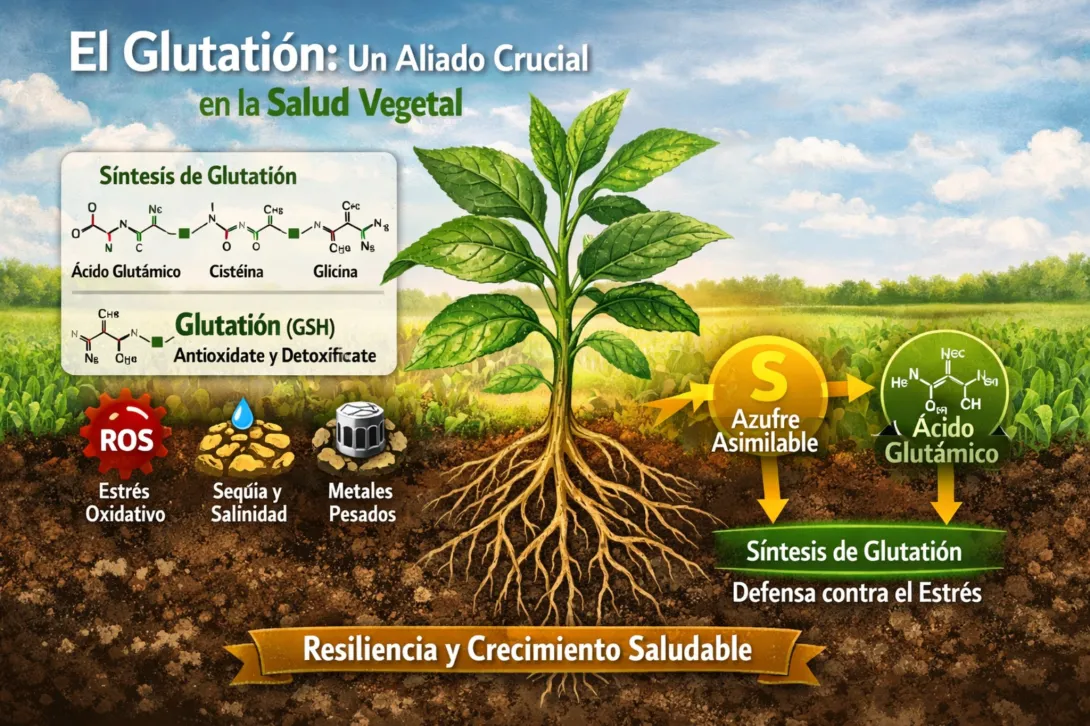
In modern agriculture, ensuring crop health against challenges such as climate change, water stress, and pathogens has become a priority. In this context, glutathione, a natural compound present in plants, emerges as a key element in the plant stress response.
This tripeptide, composed of glutamic acid, cysteine, and glycine, acts as a powerful antioxidant and participates in numerous physiological processes that strengthen crop resistance. Its main function is the detoxification of free radicals and reactive oxygen species (ROS), which accumulate under adverse conditions such as drought, salinity, or extreme temperatures.
In addition, glutathione plays a fundamental role in tolerance to abiotic stress factors and in the detoxification of heavy metals through the formation of phytochelatins. It is also closely linked to sulfur metabolism and the synthesis of essential compounds for proper plant development.
Sultech Biostimulants: Activating Natural Plant Defenses
In this context, AFEPASA’s Sultech biostimulants are designed to optimize sulfur availability in easily assimilable forms. This nutrient is essential for the formation of cysteine, the most limiting amino acid in glutathione synthesis.
By ensuring a balanced sulfur supply, Sultech biostimulants promote the natural production of glutathione, strengthening the antioxidant system of plants and improving their ability to cope with stress situations.
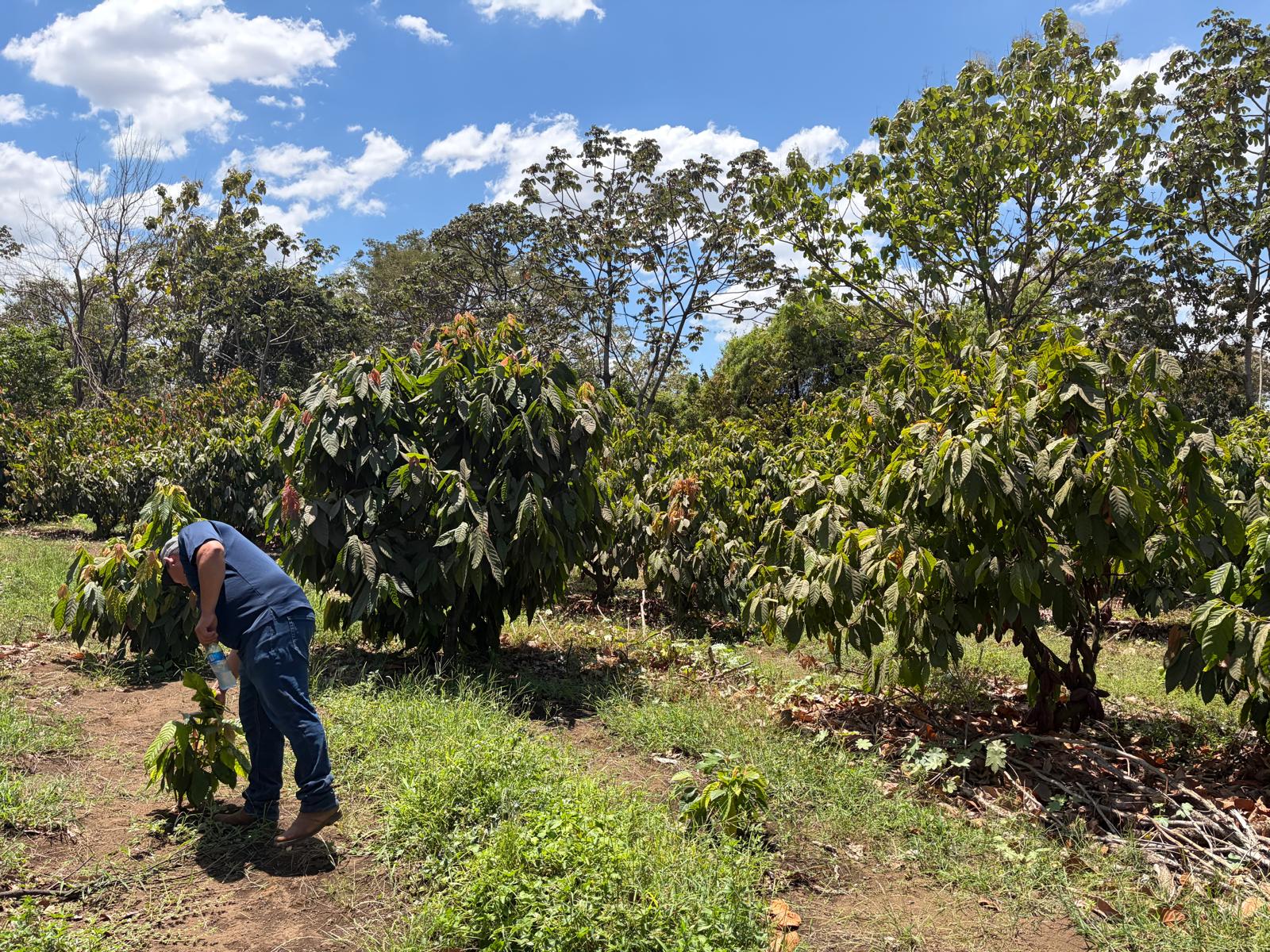
application organosul NS in Cocoa
The Role of Glutamic Acid in Glutathione Synthesis
Glutathione synthesis does not depend solely on sulfur, but also on the availability of its other precursors. In this regard, solutions such as Organosul NS and Triumphalis provide added value thanks to their glutamic acid content, a direct component of glutathione.
The supply of this amino acid contributes to:
Promoting glutathione synthesis
Improving nitrogen metabolism
Enhancing the physiological response to stress
In this way, the action of sulfur is complemented, facilitating a more efficient and balanced plant response.
A Comprehensive Nutritional Strategy
The combination of Sultech biostimulants, which optimize sulfur supply, together with products such as Organosul NS and Triumphalis, which provide organic precursors like glutamic acid, enhances the natural capacity of plants to synthesize glutathione.
This synergy not only improves stress tolerance but also promotes key processes such as photosynthesis, protein synthesis, and plant growth, contributing to more balanced and productive crops.
In an increasingly demanding agricultural context, this integrated approach helps reinforce the natural defense mechanisms of plants and move towards more efficient and sustainable production.