The importance of soil microbiota in efficient and sustainable agriculture
Soil microbiota is one of the invisible pillars of agricultural productivity.

Soil microbiota is one of the invisible pillars of agricultural productivity. It is made up of bacteria, fungi, actinomycetes, protozoa and algae that constantly interact with plant roots and the surrounding environment, directly influencing crop performance and soil health.
1. Soil fertility
Soil microorganisms are responsible for the decomposition of organic matter and the release of key nutrients such as nitrogen, phosphorus, sulfur and potassium. In addition, some bacteria are able to fix atmospheric nitrogen, improving its availability to plants and reducing dependence on mineral fertilizers.
2. Improved soil structure
Microbial activity promotes the formation of stable soil aggregates, improving aeration, water infiltration and water-holding capacity. Mycorrhizal fungi, for example, create networks that help stabilize the soil and enhance root exploration.
3. Protection against diseases
Many beneficial microorganisms act as natural antagonists to soil-borne pathogens by competing for space and nutrients or by producing antimicrobial compounds. This contributes to healthier crops and reduces the need for chemical crop protection products.
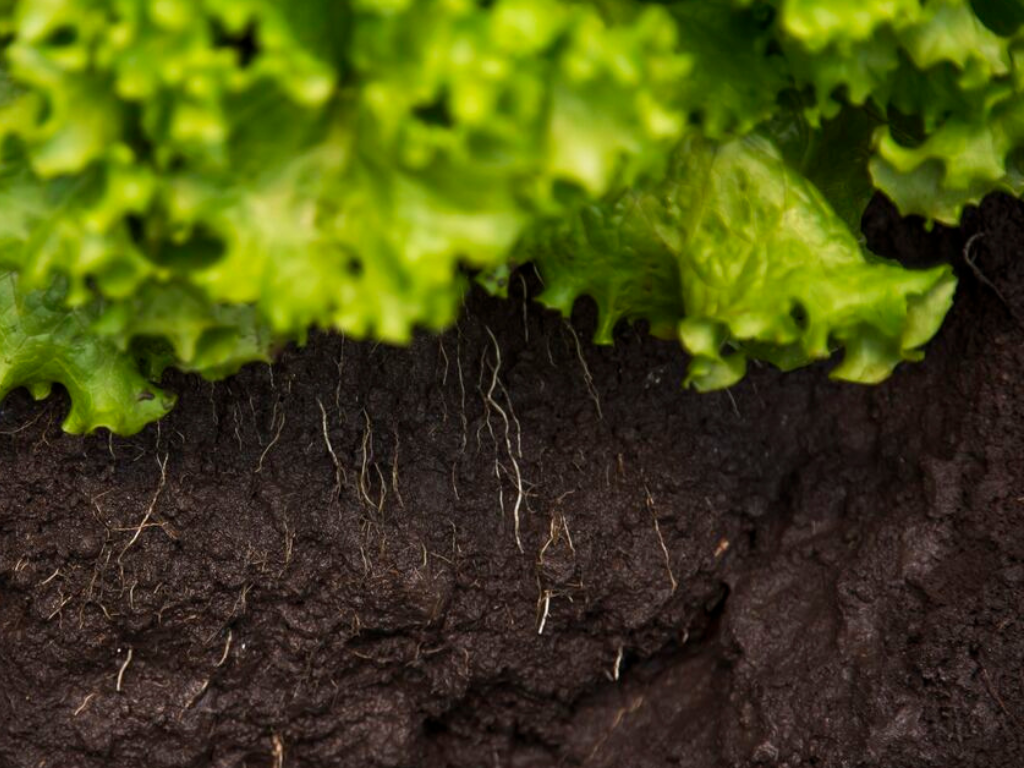
4. Stimulation of plant growth
Certain microorganisms produce phytohormones that stimulate root development and improve nutrient and water uptake, resulting in more vigorous and efficient plants.
5. Role in nutrient cycles
Soil microbiota plays a key role in the carbon, nitrogen, phosphorus and sulfur cycles, ensuring continuous nutrient recycling and maintaining a balanced soil–plant system in a sustainable way.
6. Reduced environmental impact
Promoting an active soil microbiota supports more sustainable agricultural practices, reducing reliance on chemical inputs and improving nutrient efficiency.
In this context, actively managing soil microbiota becomes a strategic agronomic decision. Solutions such as Vitacracin and Ferticracin help stimulate microbial activity, optimize nutrient availability and improve crop performance, contributing to healthier, more productive and resilient soils.