Let’s Talk About the Soil Microbiome
Let’s Talk About the Soil Microbiome The soil microbiome is one of the most fascinating and vital ecosystems for life on Earth.
Let’s Talk About the Soil Microbiome
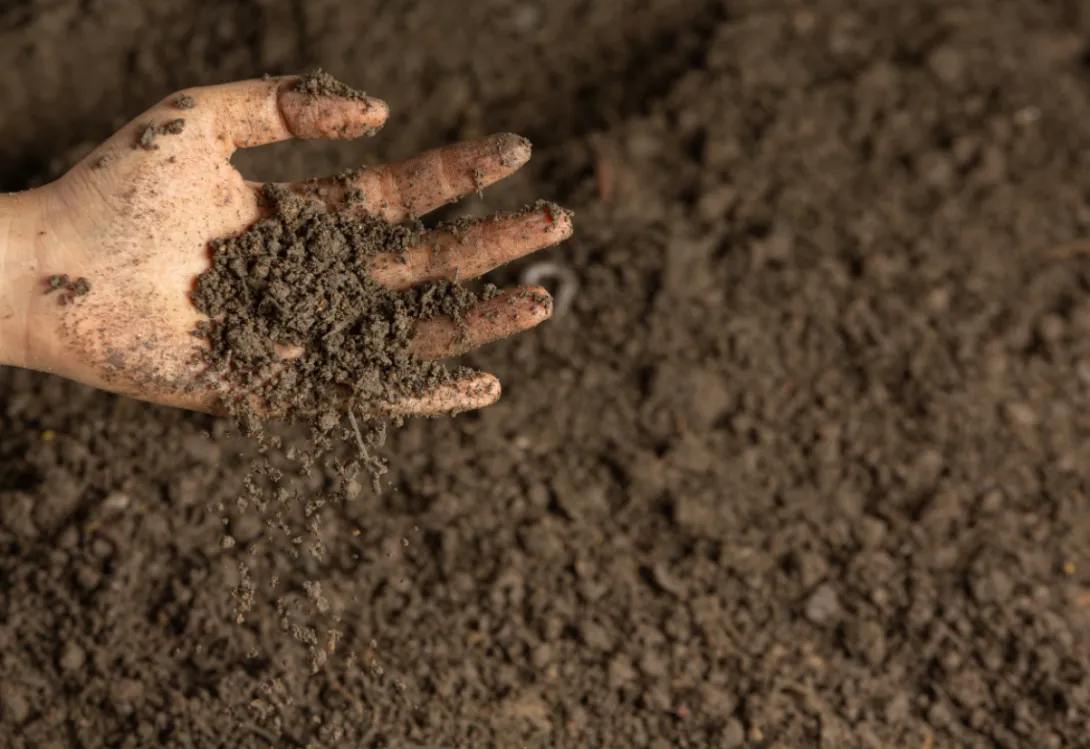
The soil microbiome is one of the most fascinating and vital ecosystems for life on Earth. This term refers to the community of microorganisms that inhabit the soil, including bacteria, fungi, archaea, protozoa, and other microscopic organisms. Although invisible to the naked eye, these tiny living beings play a crucial role in soil health, plant growth, and the sustainability of agricultural and natural ecosystems.
What is the Soil Microbiome?
The soil microbiome is not just a collection of microorganisms, but a complex and dynamic system that constantly interacts with its environment. Soil microorganisms perform essential functions, such as decomposing organic matter, recycling nutrients, and forming physical structures that enhance soil stability and water retention. They also establish symbiotic relationships with plant roots, helping them absorb nutrients and defend against pathogens.
The Importance of a Healthy Microbiome
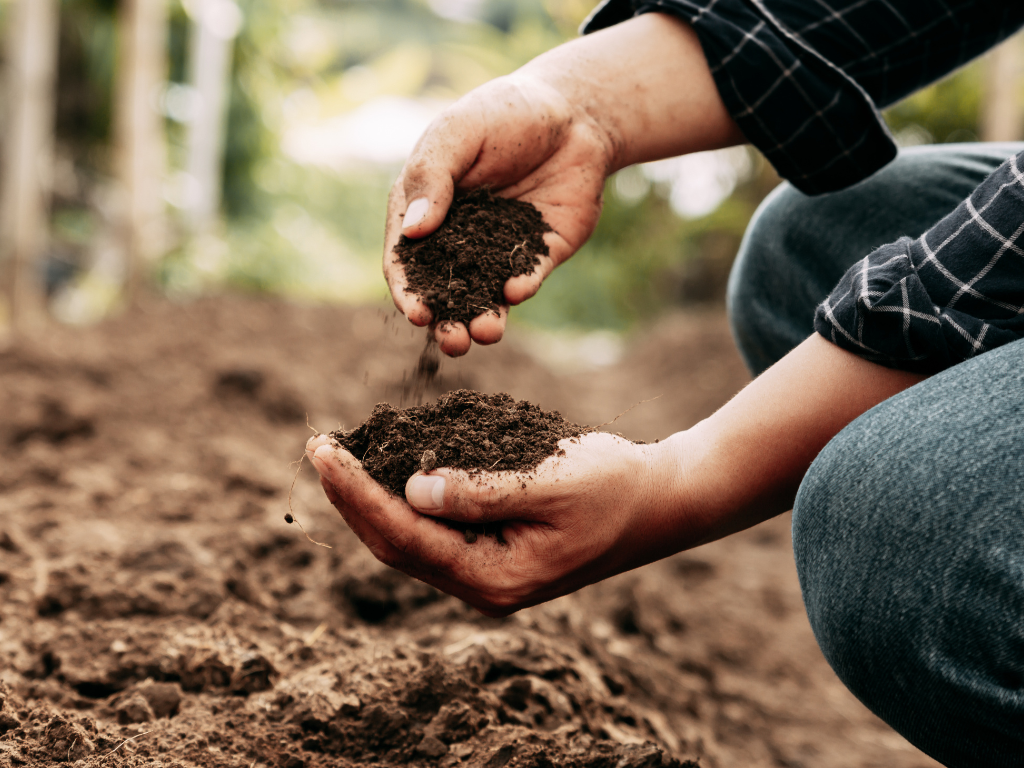
A healthy soil, rich in microbial biodiversity, is the foundation of a sustainable agricultural ecosystem. Microbiome activity improves soil fertility by releasing key nutrients such as nitrogen, phosphorus, and potassium, reducing the need for chemical fertilizers. It also plays a key role in mitigating climate change, as it stores carbon and reduces greenhouse gas emissions.
In contrast, intensive farming practices, excessive use of pesticides and chemical fertilizers, and soil degradation can disrupt the microbiome’s balance, reducing its biodiversity and effectiveness. This leads to poorer, less productive soils that are more vulnerable to erosion and the effects of climate change.
How to Care for the Soil Microbiome
Promoting a healthy microbiome requires a holistic approach that combines sustainable practices with advanced technology. Some key strategies include:
- Crop rotation: Encourages microbial diversity by preventing soil depletion.
- Use of organic amendments: Compost and green manure improve organic matter and feed microorganisms.
- Reduction of chemicals: Limiting the use of synthetic pesticides and fertilizers to avoid harming the microbiome.
- Incorporation of biostimulants: Products containing beneficial microorganisms can revitalize degraded soils.
In this context, Afepasa stands as a key ally in caring for the soil microbiome. Its range of products, featuring Sultech technology, enhances soil fertility and contributes to a healthy microbial balance. By reducing environmental impact and promoting agricultural sustainability, Afepasa is committed to protecting soils and ensuring their long-term productivity. Working hand in hand with solutions like those from Afepasa not only protects the microbiome but also ensures a greener, more sustainable future for agriculture.
Related products
Biostimulants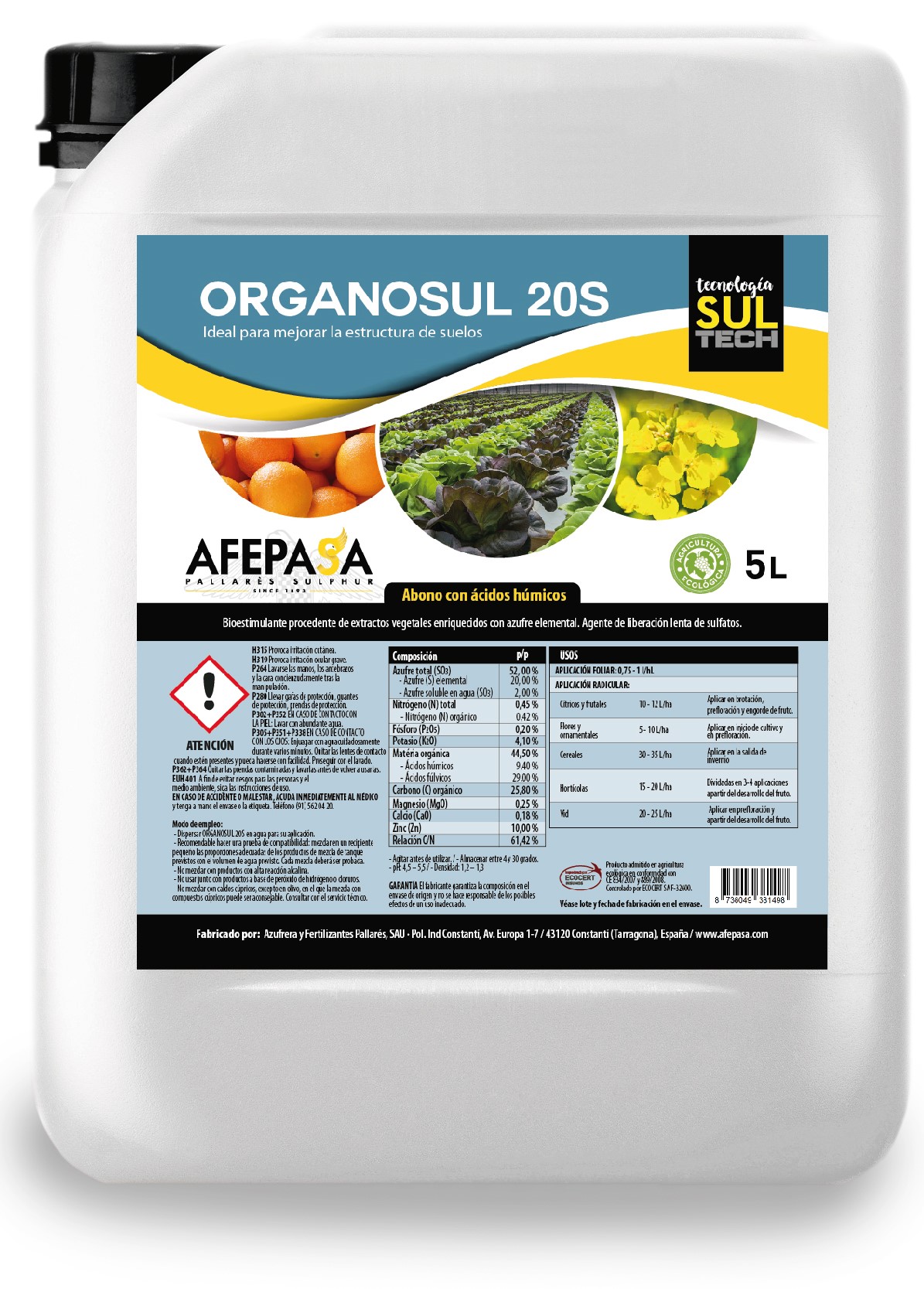 BIOSTIMULANTS
ORGANOSUL 20S
A product with metabolic enhancer. Highly concentrated organic liquid solution made from…
 BIOSTIMULANTS
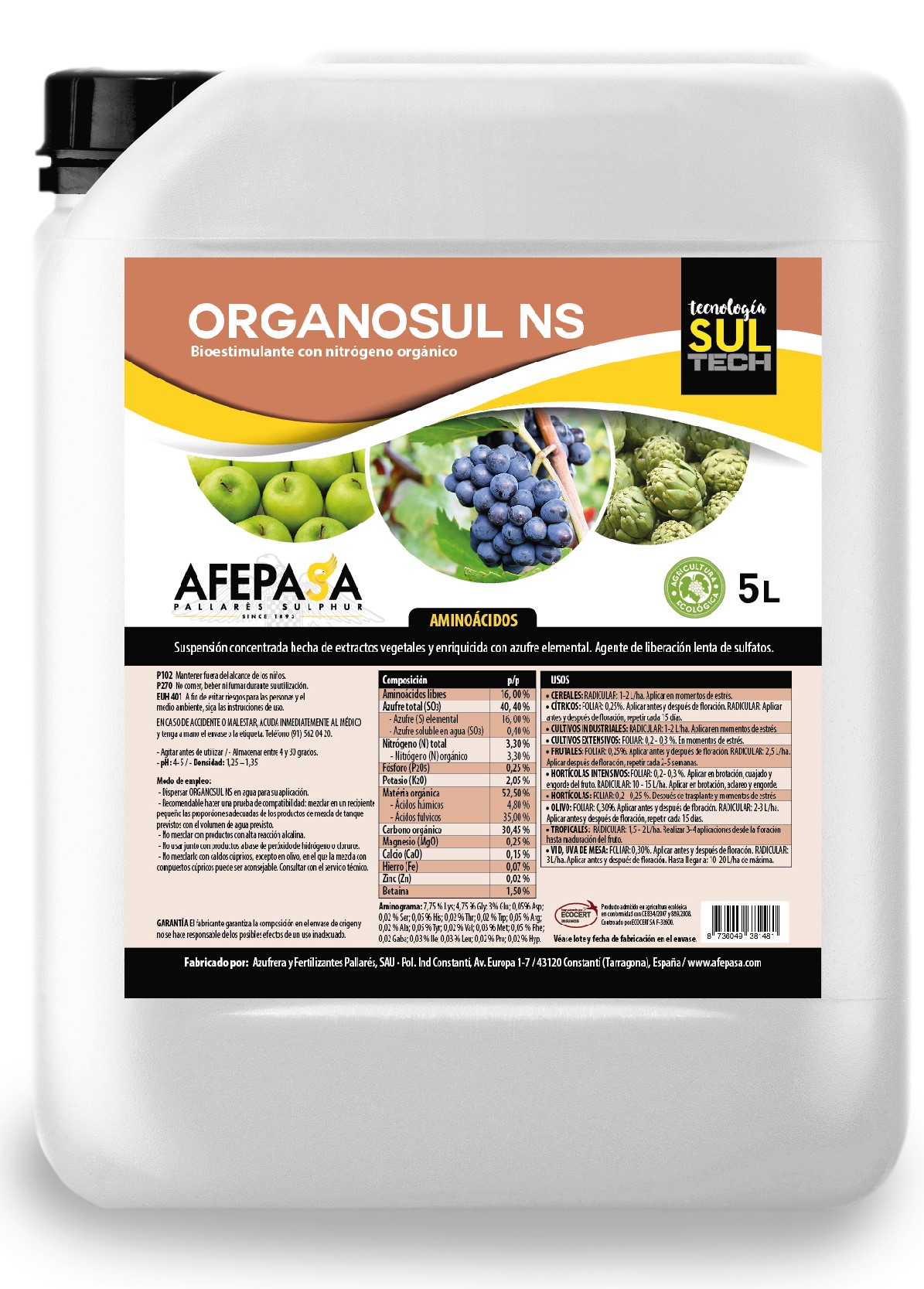
ORGANOSUL NS
A product from vegetal extracts enriched with high nitrogen content and elemental sulphur…
 BIOSTIMULANTS
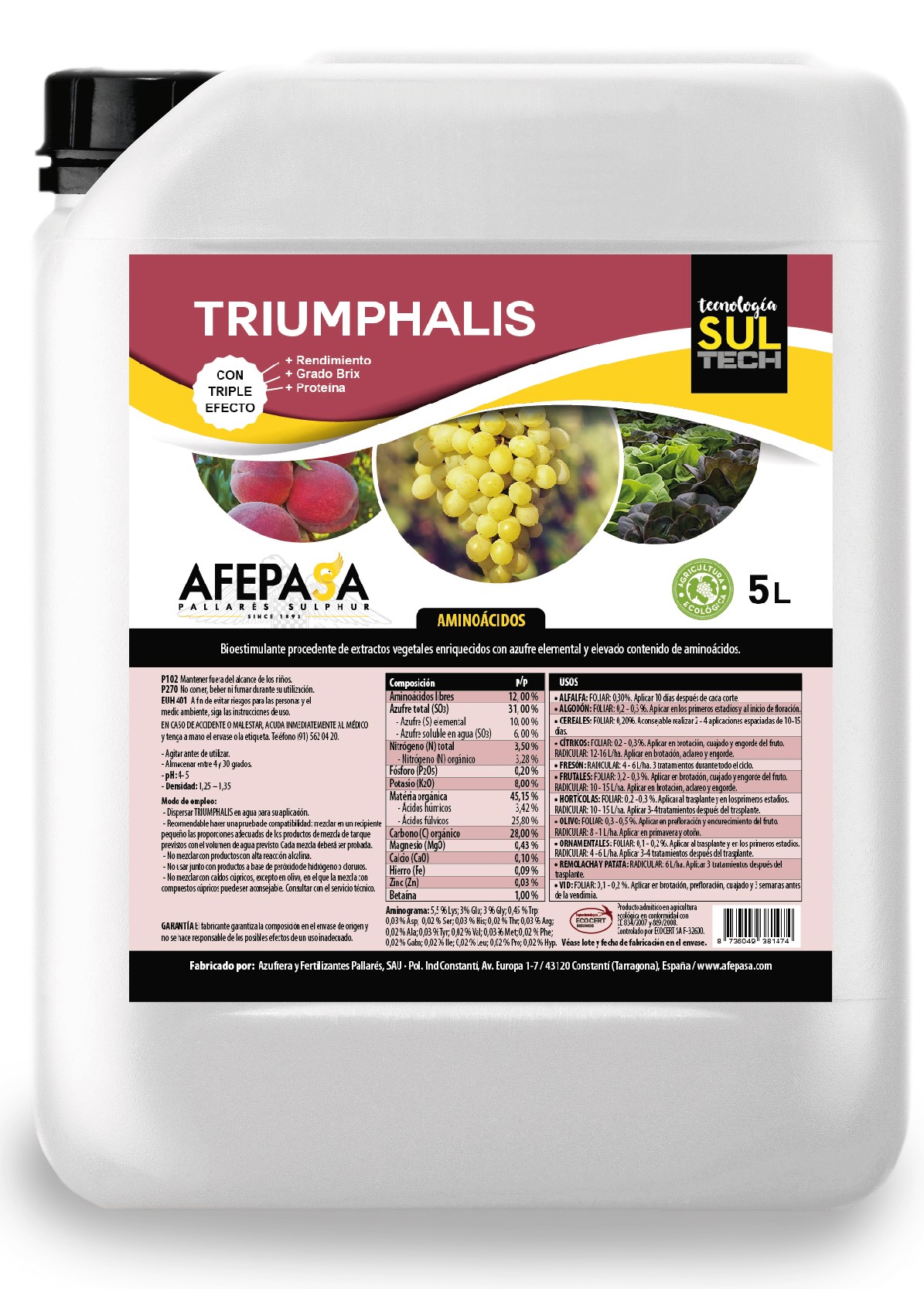
TRIUMPHALIS
A product from vegetal extracts enriched with elemental sulfur. It improves the soil…
 BIOSTIMULANTS
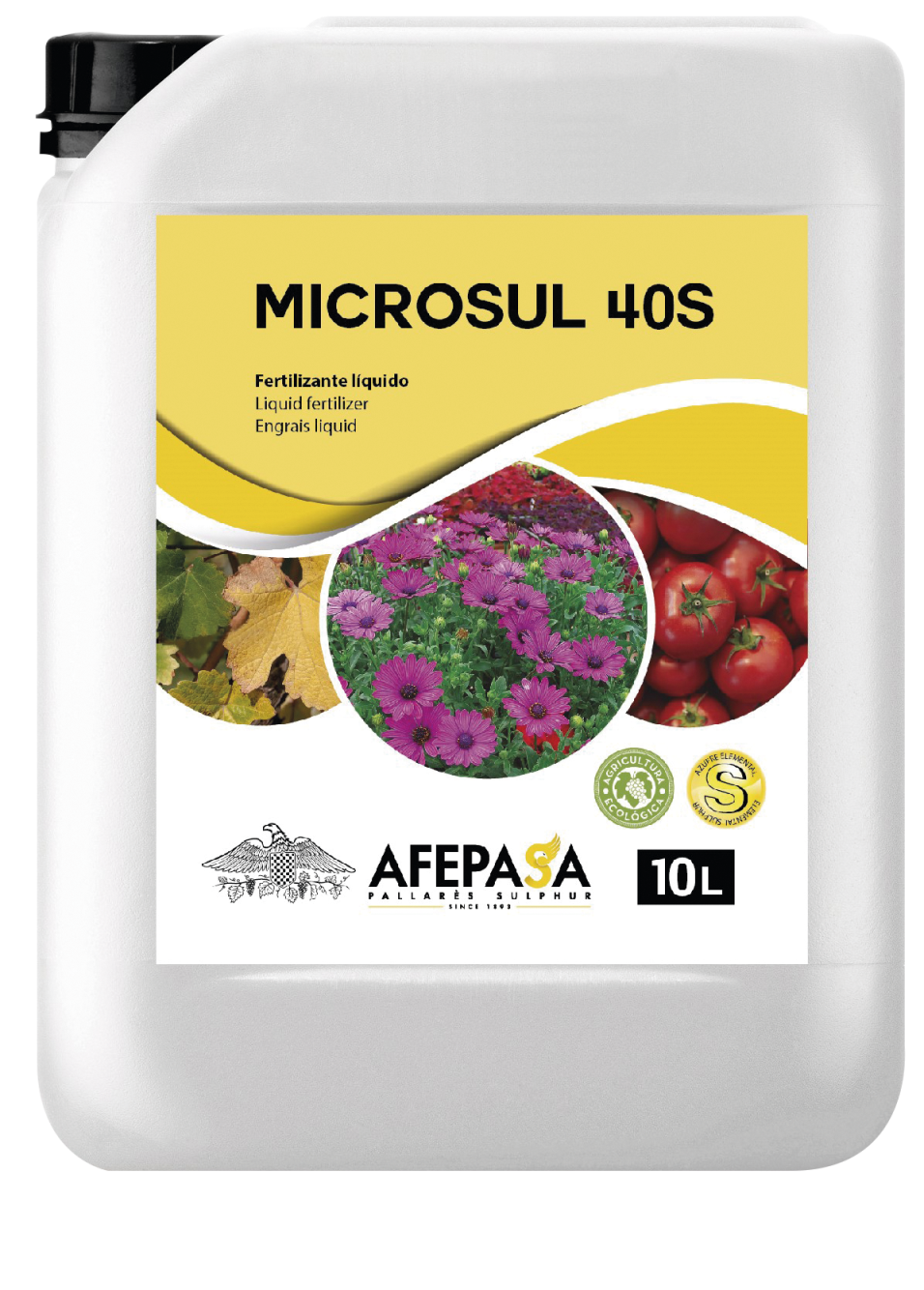
MICROSUL 40S
Concentrated suspension indicated for foliar spraying directly to the soil in both…